What is Occupational Therapy
Occupational Therapy (OT) focuses on helping people develop the skills they need to participate in everyday life with confidence and independence, and at Pelorus OT we provide occupational therapy in Melbourne tailored to individual needs.
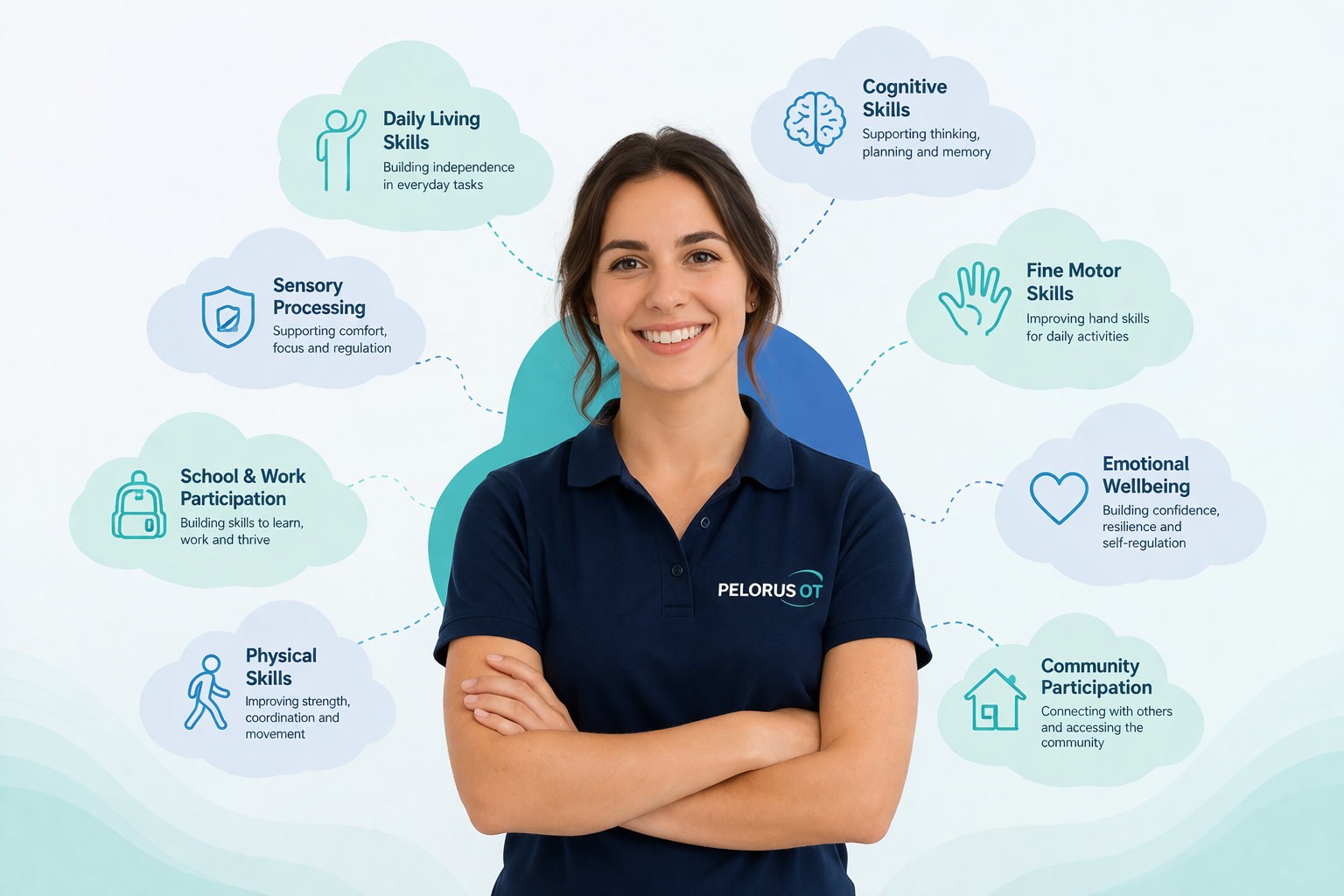
At Pelorus OT, we support children, adolescents, and adults to build practical skills for daily activities — from self-care and school participation to work tasks and independent living in the community.
OT considers how a person’s physical, sensory, cognitive, and emotional needs impact their ability to engage in meaningful activities. Therapy is tailored to support these areas in a functional, personalised, and goal-focused way, including approaches commonly used in occupational therapy in Melbourne.
For children, this may include developing play skills, fine motor skills, and emotional regulation. For adults, this may involve improving independence with daily routines, accessing the community, workplace support, or rehabilitation after injury or illness. Our approach is strengths-based, neuro-affirming, and goal-focused, ensuring that therapy is practical, relevant, and supports real-life outcomes.
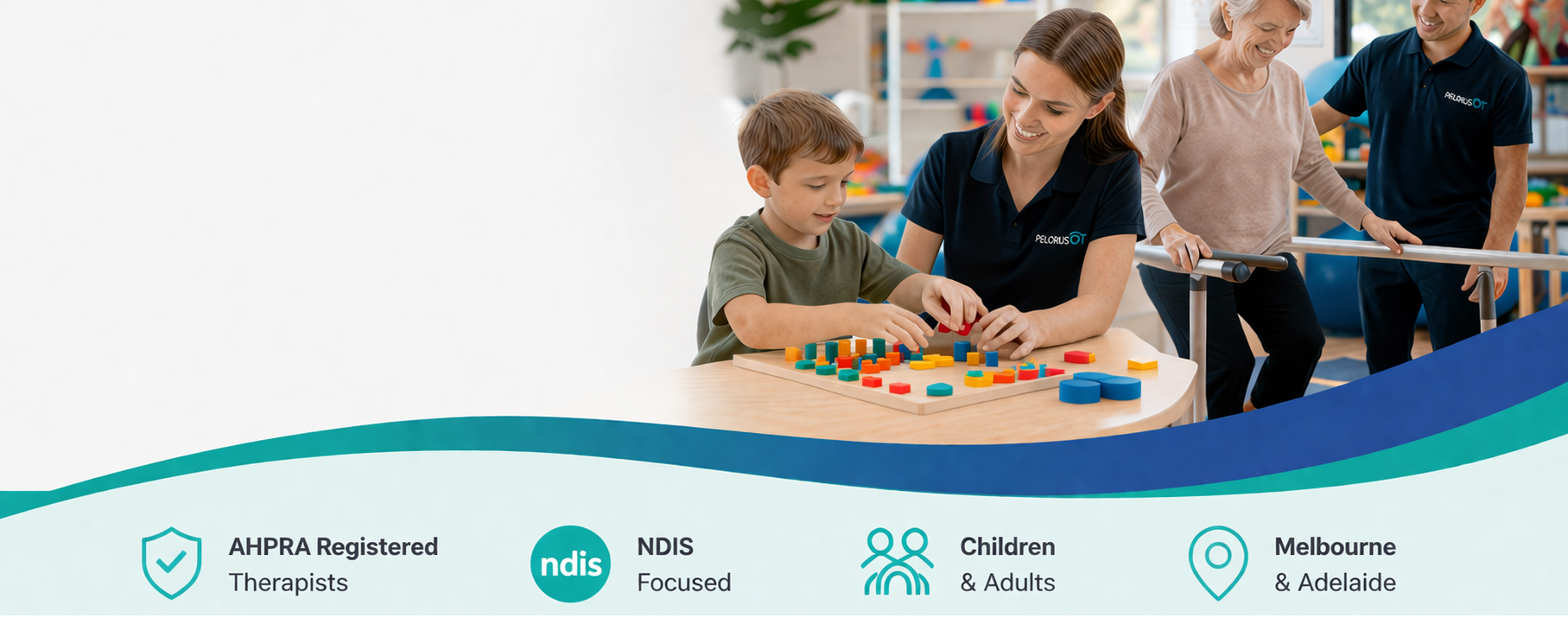
All our Occupational Therapists are AHPRA-registered and experienced in working with individuals with a wide range of needs, including NDIS participants.
Who We Support
Toddlers
Early development, play skills, and sensory explorationPre-schoolers
Independence, emotional regulation, and early learning participationChildren
School participation, coordination, and daily routinesAdolescents
Independence, planning, and emotional regulationAdults
Daily living skills, workplace support, and independenceParents and carers
Guidance, strategies, and ongoing supportHow We Help
Functional Skills
- Self-Care
- Daily Routines
- Life Skills
- Community Participation
Sensory Processing
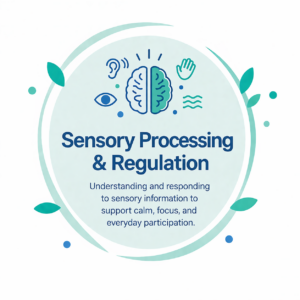
- Sensory Needs
- Emotional Regulation
- Sensory Strategies
- Daily Focus
Motor Skills
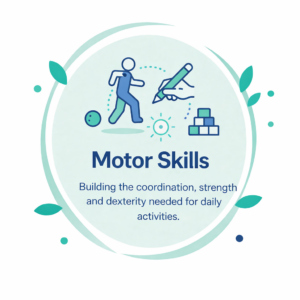
- Fine Motor
- Gross Motor
- Hand Coordination
- Balance Control
Executive Functioning
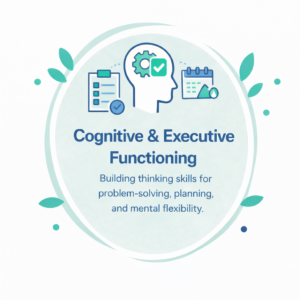
- Task Planning
- Time Management
- Problem Solving
- Organisation Skills
Assessments
Why Choose Pelorus OT

- AHPRA-registered Occupational Therapists
- Experienced team across paediatric and adult services
- Trusted for high-quality NDIS assessments and reports
- Therapy aligned with real-life goals and outcomes
- Neuro-affirming, strengths-based approach
- Clear, evidence-based and actionable recommendations
- Flexible delivery across home, school, and community settings
- Strong collaboration with families and care teams
- Ethical, transparent, and consistent service delivery