
Supporting Independence in Day-to Day Life – Melbourne & Adelaide
At Pelorus OT, we support children to develop self care and life skills that enable them to participate more independently and confidently in everyday routines.
Self-care and life skills are an important part of a child’s development. These include everyday activities such as getting dressed, eating, managing personal hygiene, organising school tasks, and participating in home and community routines.
Children experience and approach these tasks in different ways. Some may need additional support to build the skills, confidence, or routines that make these activities more manageable and meaningful.
Our AHPRA registered occupational therapists provide personalised, neuro-affirming support across Melbourne and Adelaide, working closely with children and families to build independence in ways that are practical, respectful, and sustainable.
What Are Self-Care and Life Skills?
Self-care and life skills (often referred to as Activities of Daily Living) are the everyday tasks that support independence and participation.
These skills go beyond simply completing tasks — they involve coordination, planning, sensory processing, attention, and confidence.
For example, getting dressed requires not only physical ability but also sequencing, sensory comfort, and decision-making. Similarly, participating in school routines may involve organisation, time management, and emotional regulation.
At Pelorus OT, we focus on supporting children to develop these skills in ways that align with their strengths, preferences, and daily environments.
You can also explore related areas such as
👉 Sensory Processing,
👉 Fine and Gross Motor Skills, and
👉 Emotional Regulation,
as these areas often play a key role in independence.
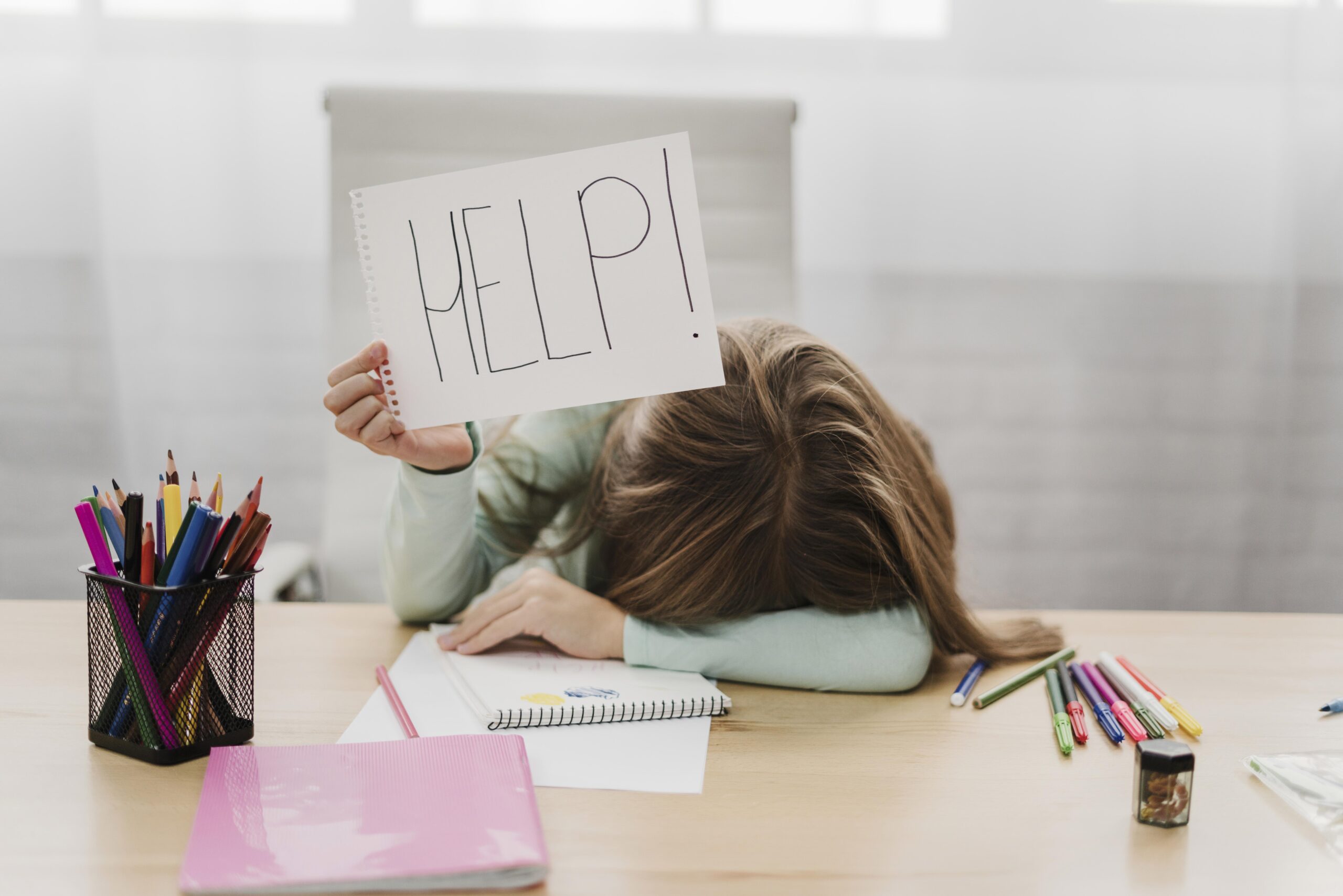
Signs or Struggles that a Child May Need Occupational Therapy Supports
Children develop and engage in daily activities in different ways. Sometimes, a child may benefit from additional support when everyday tasks feel more challenging, overwhelming, or inconsistent than expected.
You might consider Occupational Therapy support if your child is experiencing difficulties with self-care routines, independence, or participation in daily activities at home, school, or in the community.
Some common signs include:
- Needing ongoing support with everyday tasks such as dressing, toileting, brushing teeth, or eating
- Finding it difficult to follow routines or complete multi-step activities independently
- Avoiding or becoming frustrated with self-care tasks or daily responsibilities
- Challenges with organisation, time management, or getting ready for school
- Difficulty using cutlery, managing lunchboxes, or participating in mealtime routines
- Finding transitions between activities difficult (e.g., getting ready in the morning or moving between tasks)
- Reduced confidence when attempting new or unfamiliar tasks
- Becoming easily overwhelmed during daily routines or busy environments
- Relying heavily on caregivers for tasks that peers may be managing more independently
It’s important to note that these are not deficits, but differences in how children develop and participate. With the right supports, strategies, and environment, children can build the skills they need to engage more comfortably and confidently in everyday life.
If you notice these patterns, an Occupational Therapist can provide a comprehensive assessment and practical strategies tailored to your child’s needs. At Pelorus OT, our AHPRA registered occupational therapists support children and families across Melbourne and Adelaide, focusing on building independence in ways that are meaningful and sustainable.
When Might a Child Benefit from Support?
Some children may benefit from additional support with self-care and life skills when everyday tasks feel more effortful, overwhelming, or inconsistent.
This may include situations where a child finds it challenging to complete routines independently, requires ongoing assistance with personal care, or avoids certain activities due to discomfort or frustration.
In some cases, differences in motor skills, sensory processing, attention, or emotional regulation can impact participation in daily routines. With the right supports and strategies, children can build confidence and develop greater independence over time.
Families across Melbourne and Adelaide often seek Occupational Therapy support when they want practical strategies to help their child manage daily routines more smoothly at home, school, or in the community.
How Pelorus OT Supports Self-Care and Life Skills
Our approach is individualised and collaborative. We begin with a comprehensive assessment to understand your child’s strengths, preferences, routines, and areas where support may be helpful.
From there, we develop a personalised therapy plan that focuses on meaningful, real-life outcomes.
Building Independence in Self-Care
We support children to develop skills related to dressing, grooming, toileting, eating, and personal hygiene. Therapy focuses on breaking tasks into manageable steps, building confidence, and adapting routines where needed.
Developing Daily Living Skills
Children are supported to participate in everyday activities such as organising school materials, managing simple household tasks, and developing routines that support independence. For older children, this may also include early skills related to money use, planning, and responsibility.
Supporting Home and Routine Skills
We help children develop practical skills that support participation at home, including organisation, following routines, and managing transitions between activities.
Social and Communication Skills
Self-care and independence are closely linked with social participation. We support children to build communication skills, understand social expectations, and develop problem-solving strategies in everyday interactions.
School Readiness and Participation
Our therapists support skills such as attention, organisation, and task completion, helping children engage more confidently in classroom routines and learning activities.
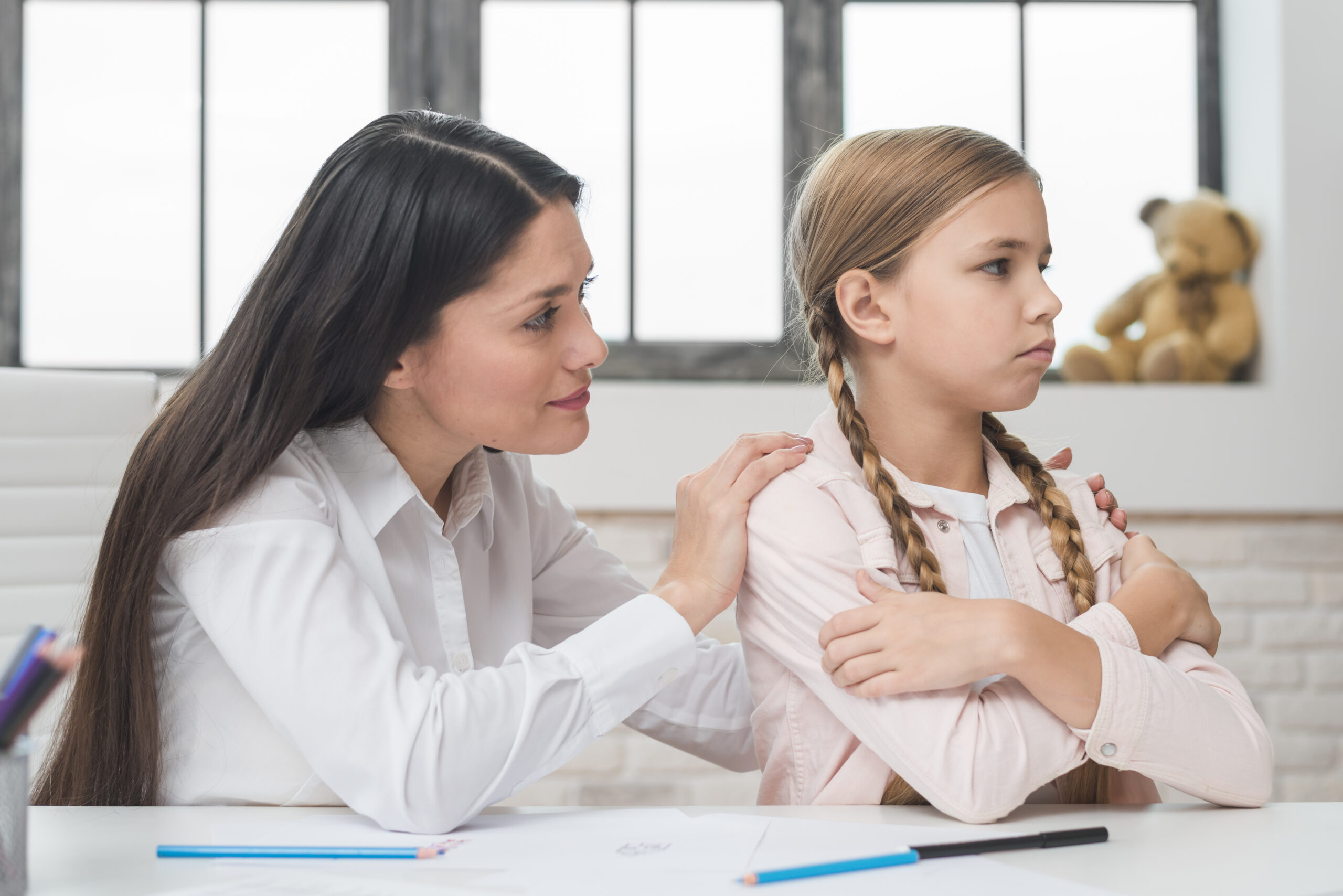
Our Approach: Neuro-Affirming and Practical
At Pelorus OT, we take a neuro-affirming approach, recognising that children have different ways of learning, processing, and engaging with the world.
Rather than expecting children to fit into rigid expectations, we focus on adapting tasks, environments, and strategies to support each child’s success.
We use play-based and functional approaches to ensure therapy is engaging, relevant, and meaningful. Importantly, we prioritise real-life application — ensuring that skills developed in therapy can be used at home, school, and in the community.
Working in Real-Life Environments
We provide Occupational Therapy across homes, schools, and childcare settings in Melbourne and Adelaide.
This allows us to support children within their natural environments, making it easier to generalise skills into daily routines. We also work closely with families, educators, and support teams to ensure consistency and long-term success.
As children develop self-care and life skills, they often experience increased confidence, independence, and participation in everyday activities.
Small achievements, such as getting dressed independently, completing a routine, or participating in a group activity, can have a meaningful impact on a child’s sense of capability and wellbeing.
Our goal is to support children in developing skills that are not only functional, but also empowering and sustainable over time.
Our team of experienced and compassionate Paediatric Occupational Therapists is dedicated to helping children reach their full potential and lead happy, healthy, and fulfilling lives. Contact us today to learn how we can help your child develop the self-care and life skills they need for a successful future.